
MRI of the Paranasal Sinuses (PNS)
Magnetic Resonance Imaging (MRI) of the paranasal sinuses is a non-invasive imaging method used to assess the nasal cavity, sinus mucosa, and surrounding soft tissues without radiation exposure.
The examination is recommended for inflammatory diseases, suspected tumors, traumatic injuries, and congenital abnormalities.
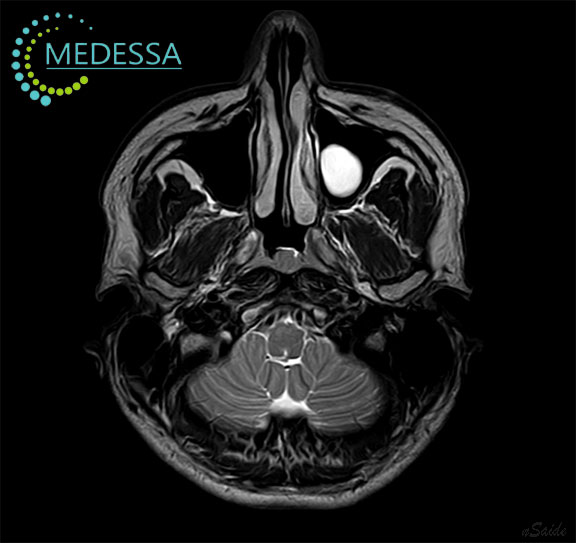
What Paranasal Sinus MRI Can Detect
- acute and chronic sinusitis;
- mucosal thickening or edema;
- fluid accumulation in the sinuses;
- cysts and polyps;
- inflammatory lesions;
- benign and malignant tumors;
- developmental abnormalities;
- post-traumatic changes.
Indications
- persistent nasal congestion;
- recurrent sinus infections;
- facial or sinus pain;
- suspected mass lesion;
- preoperative planning (including septoplasty);
- treatment follow-up.
Before surgical intervention, MRI provides detailed anatomical information, helping reduce surgical risks and improve outcomes.
Paranasal sinus MRI may be performed in addition to standard brain MRI for comprehensive evaluation.