
Penile MRI
Penile MRI is a non-invasive imaging technique used to obtain detailed visualization of the penile tissues, blood vessels, and corpora cavernosa.
The examination is used in urology to detect traumatic injuries, tumors, inflammatory conditions, and other abnormalities.
Indications
Penile trauma
MRI helps evaluate tissue damage, including suspected rupture of the tunica albuginea.
Suspected tumors
The method allows detection and characterization of penile masses.
Inflammatory processes
MRI may identify abscesses and inflammatory changes.
Peyronie’s disease
The examination can evaluate fibrous plaques within the penile tissues.
Vascular disorders
MRI may be used to assess vascular abnormalities associated with erectile dysfunction.
Post-treatment monitoring
The study helps evaluate treatment results and postoperative outcomes.
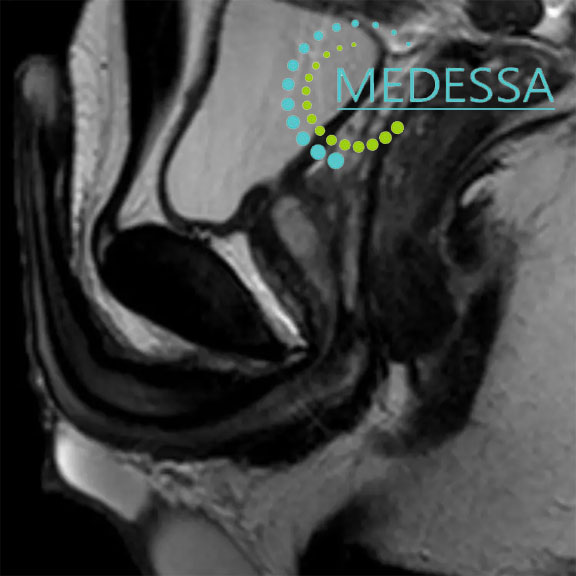
Conditions detected by MRI
- penile tumors;
- traumatic injuries;
- Peyronie’s disease;
- inflammatory processes;
- vascular abnormalities.
MRI of the penis is an important diagnostic tool that helps physicians accurately assess disease and plan treatment.