
Rectal MRI
Rectal MRI is a non-invasive imaging technique used to obtain detailed images of the rectum, surrounding tissues, and regional lymph nodes.
The examination is widely used in colorectal diagnostics to detect tumors, inflammatory conditions, and other abnormalities.
Indications
Suspected rectal cancer
MRI helps determine the size of the tumor, its depth of invasion, and involvement of surrounding structures.
Detection of benign lesions
The method can identify polyps and other rectal masses.
Inflammatory bowel disease
MRI may be used to diagnose inflammatory conditions such as Crohn’s disease or proctitis.
Fistulas and abscesses
The examination is useful for detecting anal fistulas and abscesses.
Post-treatment monitoring
MRI can be used to evaluate treatment results and monitor disease progression.
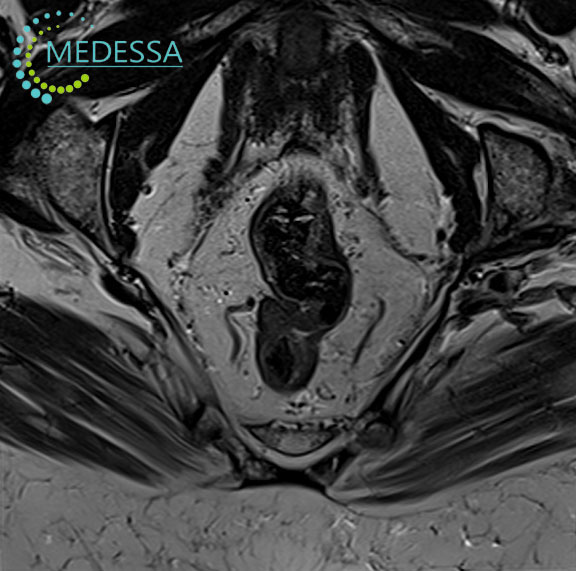
Conditions detected by MRI
- rectal cancer;
- polyps and rectal masses;
- anal fistulas;
- inflammatory bowel disease;
- postoperative changes.
MRI of the rectum is an important diagnostic tool that helps physicians accurately assess disease and plan appropriate treatment.